Massage Therapy
Massage therapy is an array of specialized manual contact techniques intended to treat both soft tissues dysfunction and the entire human body. For pain, tension, restricted movement, or simply to relax.
What is Modern Massage Therapy
Within the expansive domain of massage therapy, a multitude of methods and specialized areas have evolved over time. Registered Massage Therapists, working in various clinical settings, believe that these methods exhibit variations in the techniques employed, as well as the depth of their impact on bodily tissues. Furthermore,RMTs across different clinics widely accept that these methods draw upon a rich tapestry of theoretical ideas and concepts, shaping their practices.
However, despite the diversity of methods and areas in massage therapy, the practical experience in this field suggests that none of these methods or areas holds a significant advantage over the others. Skilled practitioners, working in clinics, realize the true effectiveness of these diverse approaches through their trained hands.
Moreover, it’s worth noting that certain methods have not stood the test of time and have proven to be ineffective. Surprisingly, therapists in everyday practice continue to employ some of these less effective methods.
This underscores the importance of adopting a scientific approach when choosing bodywork methods. Such an approach not only guarantees effective results but also ensures both the effectiveness and safety of treatments. This is essential for any therapeutic massage.

Two areas of massage therapy
In current practice, massage therapy is commonly divided into two primary areas.
This division, although somewhat arbitrary, is widely accepted within the field. It’s important to note that in practice, these two areas often intersect, demonstrating the dynamic nature of this field.
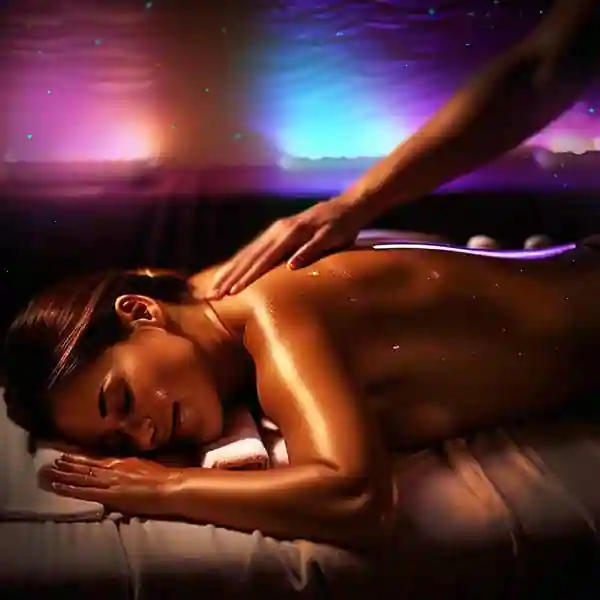
Relaxation Massage
One of the areas dedicates itself to providing a general relaxation massage, commonly referred to as ‘Swedish or Classic Massage.’ It precisely aligns with the typical understanding of the term ‘massage.’
This type of treatment, known for its ability to provide effective relaxation of the entire body, induce sedation, improve sleep quality, enhance mental well-being, and aid in stress reduction, holds a significant place in the world of massage therapy.
While some registered massage therapists may express a degree of dismissiveness toward this approach, the massage therapy community widely acknowledges and accepts it as the most effective aspect of their practice. Its positive impact on holistic well-being makes it a cornerstone in the practice, helping clients achieve physical and mental balance.
Relaxation procedures are ideal for first-time clients, seniors, or anyone looking for stress relief and improved sleep. It is one of the most requested full-body services.
Therapeutic Massage
In the realm of massage therapy, another significant area is de facto therapeutic massage. This specialized branch of massage therapy focuses on specific, often affected, areas of the body. Within this domain, therapists address particular conditions such as lower back pain and neck pain, providing targeted treatments.
Therapeutic massage is the most controversial. Within this segment, a noteworthy issue arises as many RMTs tend to overestimate the benefits of this type of massage.
However, this method, particularly when grounded in a scientific approach, can offer substantial treatment benefits. This is especially true when complemented by physical exercise, a structured regimen, and proper nutrition.
Another vital aspect to consider is the incorporation of orthopedic assessment and a deep understanding of pathology and pathogenesis, including the unique characteristics of how pathological conditions develop.
This type of treatment is often used for chronic conditions, sports recovery, or workplace-related pain. For clients who need measurable results, therapeutic massage can be highly effective when done correctly by a trained RMT.