
Therapeutic Massage: What It Is and How It Works

Therapeutic massage is a targeted form of bodywork focused on treating pain, tension, and joint conditions. This specialized approach relies on the healing effects of clinical mechanical work on specific structures of the musculoskeletal system.

Unlike relaxation massage, therapeutic treatments employ targeted techniques designed to directly resolve dysfunction and alleviate localized tendernes.

The therapeutic approach means looking past superficial symptoms. The goal is to identify the root causes of discomfort — whether stemming from structural muscle imbalances, myofascial restrictions, or compensatory movement habits developed over time. This targeted methodology ensures lasting functional improvement rather than temporary symptom masking.
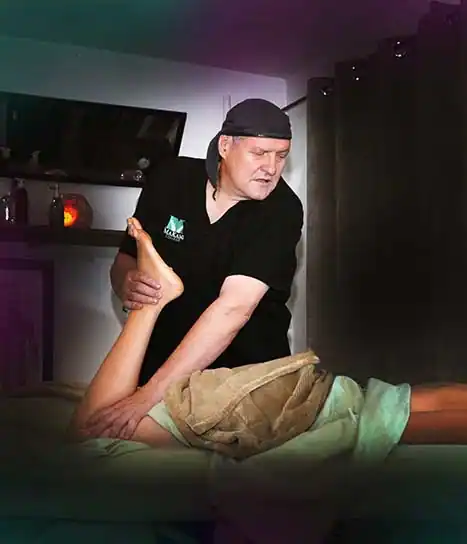
Therapeutic Massage at Andrew Sague Clinic

Comprehensive Therapeutic Massage Treatment

Effective therapeutic massage extends far beyond hands-on work. A complete session can also include:

Detailed Assessment and Analysis: A thorough analysis of the client's condition with practical advice for real improvement — including targeted exercises, stretching routines, and lifestyle recommendations. This involves examining posture, movement patterns, ROM, and so on to understand the contributing factors. The approach is grounded in clinical evidence and medical knowledge rather than guesswork.

Strategic Treatment Planning: Clear guidance on next steps: which specialists to consult, what questions to ask, and what tests or assessments may support recovery. Many clients feel lost navigating the healthcare system without coordination. A well-structured treatment plan addresses whether imaging, specialist referral, or specific exercises are appropriate.

Education and Understanding: Explaining the nature of symptoms in clear, accessible language helps clients understand their condition and feel confident about their recovery path. Pain often creates fear and uncertainty — education is a core part of effective therapeutic treatment.

Conditions Treated with Therapeutic Massage

Therapeutic massage effectively addresses a wide range of musculoskeletal conditions:

Neck and Shoulder Dysfunction: Chronic neck and shoulder tension caused by prolonged sitting and postural strain. This includes forward head posture, rounded shoulders, and the cascade of mechanical problems that develop from desk work. Treatment targets tight scalenes, elevated scapulae, and restricted thoracic mobility that frequently trigger tension headaches.

Spinal Conditions: Lower back pain originating from lumbar stress, facet joint restriction, sacroiliac dysfunction, and core muscular imbalances.

Postural Deviations: Structural imbalances including hyperkyphosis, hyperlordosis, and pelvic tilts. These deviations create compensatory lines of tension throughout the body, causing pain in seemingly unrelated areas.

Injury Recovery: Soft tissue rehabilitation, mechanical corrections, and post-traumatic recovery, including sports injuries, motor vehicle accident (MVA) recovery, workplace injuries, and chronic pain syndromes. Treatment focuses on restoring normal tissue elasticity, joint range of motion, and safe movement mechanics.

Comprehensive Maintenance: Management of chronic arthritic symptoms, pre- and post-surgical recovery care, athletic performance optimization, and preventive structural maintenance for active individuals.
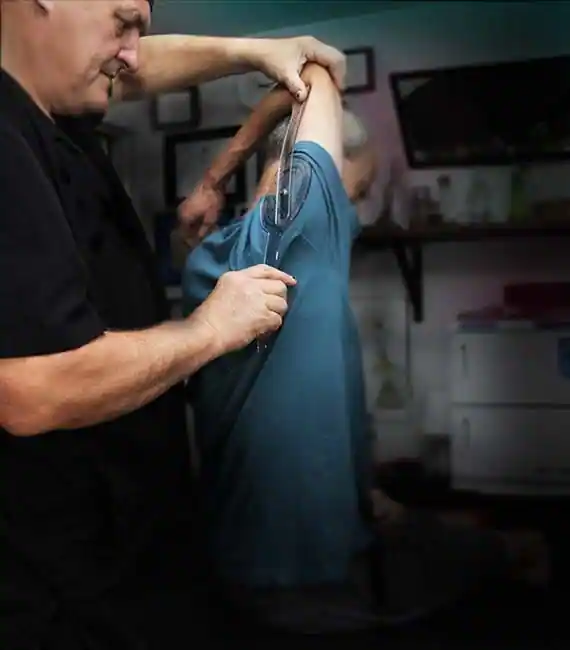
Orthopedic Assessment during Therapeutic Massage at Andrew Sague Clinic

The Problem with Uncoordinated Treatment

The problem is that many clients simply do not understand what exactly they should do to get rid of their problems.

The Common Cycle: Most people experience pain and immediately seek brief relief, but without addressing the underlying mechanics, they treat symptoms rather than causes. This leads to fleeting improvement followed by recurring flare-ups, building frustration.

Consequently, many individuals do nothing, letting the injury worsen, or spend extensive time on uncoordinated, chaotic visits to various RMTs, chiropractors, and physiotherapists.

Lack of Coordination: This fragmented care lacks central oversight. Each practitioner works in isolation, often interpreting symptoms through separate lenses without cross-communication. This wastes time, budget, and significantly delays recovery.

The Critical Link: Developing a precise understanding of your condition and its behavioral or structural causes is paramount. Without this foundation, you are forced to guess which daily activities to avoid, which exercises to execute, or if you are accidentally compounding the injury.

Your Solution: Expert Therapeutic Massage

At my clinic, I provide that missing clarity and a structured recovery pathway. As a Registered Massage Therapist with a comprehensive medical background, I offer the clinical coordination required for systematic recovery.

By bridging clinical diagnostics with hands-on manual applications, you receive highly specialized bodywork alongside actionable clinical insights to understand your path to recovery long-term.

Ready to Experience Therapeutic Massage?

If you're dealing with pain, chronic tension, or restricted mobility, therapeutic treatments at my clinic offer the targeted support you require. Book your therapeutic massage session today and experience the difference of clinical care.

If you are currently pain-free and maintain optimal musculoskeletal function, consider my systemic relaxation massage options designed for stress reduction and autonomic recovery.

New clients can review what to expect on your first visit, or check out my complete list of massage therapy services and current pricing.

Before Your Therapeutic Massage Session at Andrew Sague Massage Clinic

Gather Information About Your Symptoms

Take a few moments to track your structural symptoms before your appointment. The more clear data you can provide, the more precisely I can tailor your therapeutic protocols.

Movement and Pain Connections: Note the relationship between specific movements and your pain, or identify which exact ranges of motion feel restricted. Observe if actions like reaching overhead, sitting for 30+ minutes, or turning your head initiate the discomfort.

Key Pain Characteristics to Track:

  • Where is the precise epicenter of the pain?
  • Is the sensation sharp, dull, aching, burning, or throbbing?
  • Does the sensation radiate into your extremities?
  • Rate your current discomfort on a scale from 1 to 10.

Timeline Parameters

Identify the timeline of when your symptoms first surfaced. This history dictates the choosing of acute vs. chronic therapeutic techniques.

  • Did the pain manifest suddenly from an event, or develop gradually?
  • How many weeks or months has this dysfunction persisted?
  • Are the symptoms steadily worsening, recovering, or plateauing?

Aggravating and Relieving Factors

Understanding what influences your structural symptoms provides crucial clinical cues for your session.

Document what explicitly aggravates the condition (e.g., specific chairs, sleeping positions, morning stiffness) and what provides transient relief (e.g., heat wraps, specific stretches, over-the-counter anti-inflammatories).

Identify Potential Contributing Elements

Consider potential lifestyle or historical causes, even if they seem remote. Musculoskeletal imbalances often aggregate over time from multiple sources:

  • Recent physical impacts, sports strains, or vehicular accidents.
  • Modifications to your workspace ergonomics or computer screen height.
  • Introduction of new exercise loads or abrupt training changes.
  • Fluctuations in systemic stress levels or sleep hygiene.

Prepare for Your Session

Arrive Ready to Communicate: Clear clinical dialogue maximizes treatment performance. Come prepared to share your observations openly.

Physical Protocols: Ensure you are properly hydrated and wear comfortable clothing. Arrive approximately 5 to 10 minutes early to complete your intake history calmly.

Ready to experience targeted clinical bodywork designed for your recovery? Book your session today and take the first step toward pain-free movement.